

In India’s rapidly evolving pharmaceutical landscape, compliance isn’t just a regulatory checkbox—it’s the bedrock upon which sustainable brand success is built. With the country emerging as the world’s third-largest pharmaceutical producer by volume and the global leader in generic drug manufacturing, navigating India’s complex regulatory ecosystem has become both a challenge and a competitive advantage for pharma brands.
Whether you’re a multinational giant or a domestic player, understanding pharma compliance India requirements is no longer optional. From the stringent guidelines of the Central Drugs Standard Control Organization (CDSCO) to the nuanced pharmaceutical regulations India imposes on marketing and sales practices, every touchpoint demands meticulous attention. This comprehensive guide demystifies the regulatory marketing pharma landscape, offering actionable insights that every brand operating in India must master.
Understanding India’s Pharma Regulatory Framework: The Foundation

At the heart of pharmaceutical regulations in India lies the Drugs and Cosmetics Act, 1940, and its subsequent amendments that govern everything from drug approval to post-market surveillance. The Central Drugs Standard Control Organisation (CDSCO), operating under the Directorate General of Health Services, Ministry of Health & Family Welfare, serves as India’s national regulatory authority. Understanding this structure is critical—it’s not just about knowing the rules, but comprehending how they interconnect across manufacturing, distribution, marketing, and pharmacovigilance.

For pharmaceutical companies, the CDSCO website is your regulatory bible. It houses crucial information on drug approvals, clinical trial guidelines, and the latest amendments to pharmaceutical regulations India. The regulatory landscape has evolved significantly, especially with the introduction of the New Drugs and Clinical Trials Rules, 2019, which streamlined approval processes while maintaining rigorous safety standards.
What makes pharma compliance India unique is its federal structure—while CDSCO provides national oversight, state drug controllers enforce regulations at the ground level. This dual regulatory mechanism means brands must maintain compliance across multiple jurisdictions, each with its own interpretation nuances and enforcement priorities.
The Marketing Compliance Maze: Navigating UCPMP Guidelines

The Uniform Code of Pharmaceutical Marketing Practices (UCPMP) represents India’s attempt to bring ethical standardization to pharmaceutical marketing. For brands operating in India, understanding regulatory marketing pharma through the UCPMP lens is non-negotiable. Introduced in 2014 and revised periodically, this voluntary code—which the government has been pushing to make mandatory—governs interactions between pharmaceutical companies and healthcare professionals.

Key compliance areas under UCPMP include restrictions on gifts and hospitality to healthcare professionals, stringent guidelines on promotional material accuracy, limitations on medical representative conduct, and transparent reporting of clinical trial data. The code explicitly prohibits offering freebies, hospitality beyond modest limits, and any incentives that could influence prescribing behavior.
From a sales and marketing perspective, pharma compliance India demands a complete rethinking of traditional promotional strategies. Brands must invest in compliant digital marketing frameworks, implement robust training programs for medical representatives, establish transparent healthcare professional engagement protocols, and maintain detailed documentation of all promotional activities.
Digital Marketing and Pharmaceutical Regulations India

The digital revolution has added layers of complexity to pharma compliance India. The Information Technology Act, 2000, combined with pharmaceutical regulations India and advertising standards from the Advertising Standards Council of India (ASCI), creates a regulatory web that pharma brands must navigate carefully. Social media promotions, influencer partnerships, and digital advertising all fall under heightened scrutiny.

The Ministry of Health and Family Welfare has been increasingly vigilant about online pharmaceutical marketing. Brands cannot make unsubstantiated claims, must ensure prescription-only drugs aren’t promoted to consumers directly, need to include mandatory disclaimers and risk information, and must maintain transparency in sponsored content. Every tweet, Instagram post, or YouTube video becomes a compliance document that regulators can scrutinize.
For pharmaceutical brands looking to leverage digital channels effectively while maintaining compliance, professional pharma marketing services can provide the expertise needed to navigate these complex regulations. Our team understands the nuances of regulatory marketing pharma in the Indian context, helping brands build compliant yet effective digital strategies.
Pricing Compliance: The NPPA Challenge
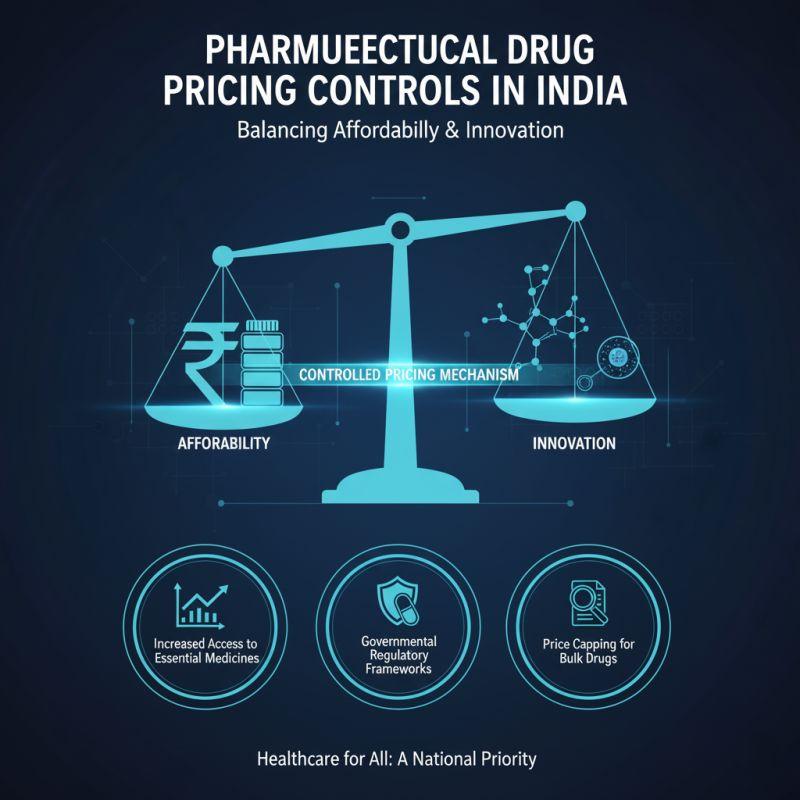
The National Pharmaceutical Pricing Authority (NPPA) wields significant power in India’s pharmaceutical ecosystem. Under the Drugs (Prices Control) Order, 2013, NPPA controls prices of essential medicines listed in the National List of Essential Medicines (NLEM). For brands manufacturing or marketing scheduled drugs, pharmaceutical regulations India mandate strict price ceiling adherence, regular reporting requirements, and penalties for overcharging.
Pricing compliance extends beyond just following ceiling prices. Brands must understand annual price revision rules (limited to Wholesale Price Index increases), trade margin restrictions, and retailer-level compliance monitoring. Non-compliance can result in severe penalties, including recovery of overcharged amounts with interest and potential legal action.
Quality and Manufacturing Compliance: GMP Standards


Good Manufacturing Practices (GMP) compliance forms the backbone of pharma compliance India. Schedule M of the Drugs and Cosmetics Rules, 1945, outlines comprehensive GMP requirements for pharmaceutical manufacturers. These standards align increasingly with WHO-GMP guidelines, making Indian pharmaceutical products globally competitive while ensuring domestic safety.
Manufacturing compliance encompasses facility design and maintenance standards, robust quality control and quality assurance systems, stringent documentation and record-keeping requirements, regular internal and regulatory audits, and comprehensive personnel training protocols. For brands that outsource manufacturing, ensuring supplier compliance becomes a critical brand responsibility.
Building a Compliance-First Brand Culture

Sustainable pharma compliance India isn’t about reactive adherence—it’s about building a proactive compliance culture. Leading pharmaceutical brands are investing in dedicated compliance teams with cross-functional authority, regular compliance training programs for all staff, technology platforms for compliance monitoring and reporting, third-party compliance audits and certifications, and transparent stakeholder communication about compliance efforts.
From a branding perspective, compliance becomes a competitive advantage. In an industry where trust is paramount, brands that can demonstrate unwavering commitment to regulatory marketing pharma standards build stronger healthcare professional relationships, enhance patient trust, and create sustainable market positions.
The Future of Pharma Compliance India

The regulatory landscape continues to evolve. Proposed amendments to the Drugs and Cosmetics Act, increasing digitalization of regulatory processes, stronger pharmacovigilance requirements, and potential mandatory adoption of UCPMP signal a future where compliance requirements will only intensify.
Forward-thinking brands are already preparing by investing in compliance technology infrastructure, building relationships with regulatory consultants, participating in industry forums shaping future regulations, and developing flexible compliance frameworks that can adapt to regulatory changes.
Conclusion: Compliance as Competitive Advantage


Pharma compliance India is complex, demanding, and constantly evolving—but it’s also an opportunity. Brands that master pharmaceutical regulations India don’t just avoid penalties; they build trust, differentiate themselves in crowded markets, and create sustainable competitive advantages. In an industry where patient safety and public trust are paramount, compliance isn’t a burden—it’s the foundation of brand excellence. Whether you’re launching a new pharmaceutical brand or seeking to strengthen your existing market position, understanding and implementing robust compliance frameworks is essential.
If you need expert guidance on regulatory marketing pharma strategies that balance commercial objectives with compliance requirements, contact our team to discuss how we can help your brand navigate India’s complex regulatory landscape while building a strong market presence.
Comments are closed