

Pharma marketing strategies are undergoing a transformative shift in 2026, with unprecedented opportunities for innovation. The pharmaceutical industry faces evolving regulatory landscapes and accelerating digital transformation, requiring pharma marketers to adapt to remain competitive. These innovative marketing strategies combine cutting-edge technology with deep understanding of healthcare stakeholder needs.
1. AI-Powered Pharma Marketing Strategies at Scale
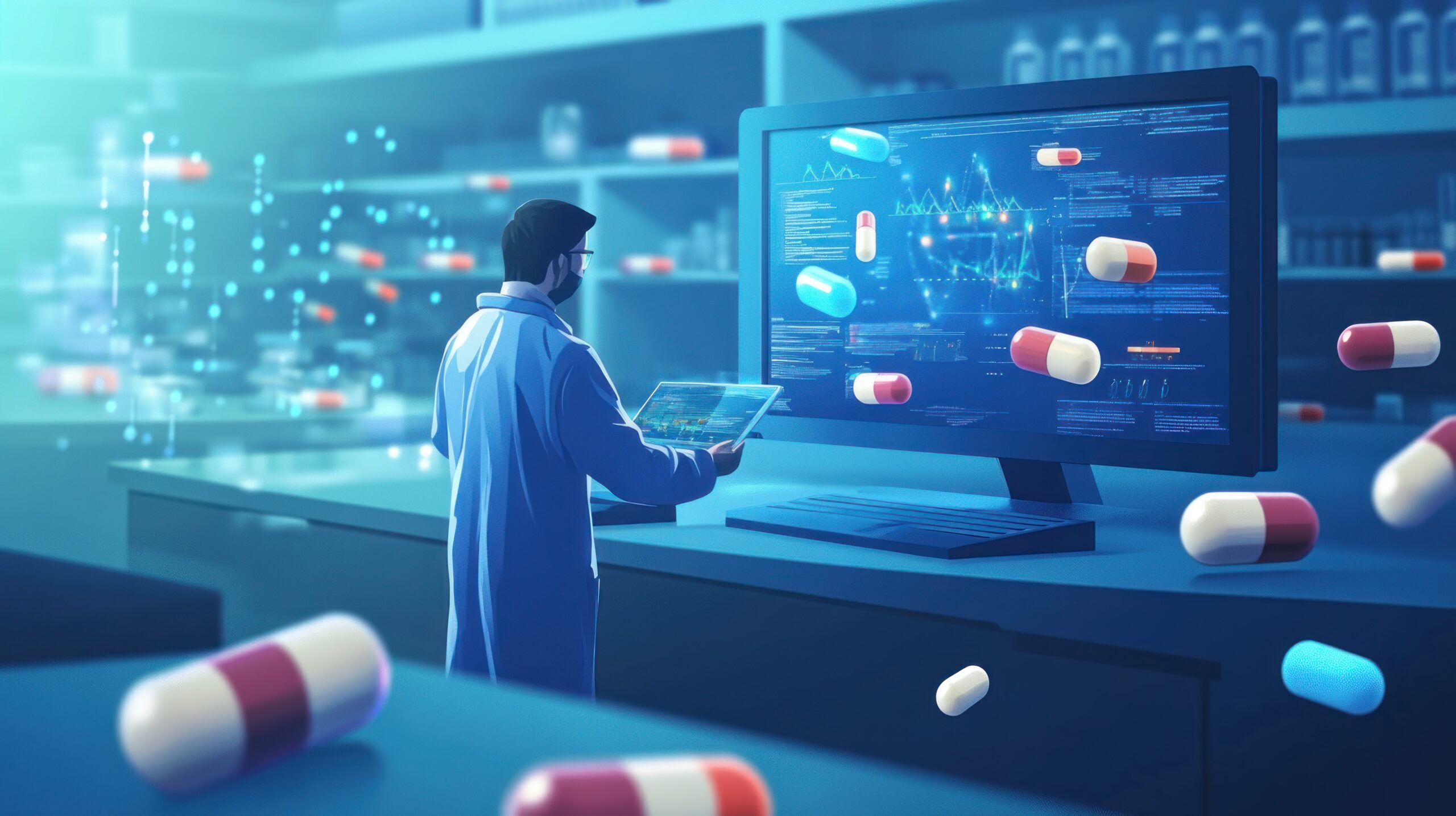
Artificial intelligence is revolutionizing pharmaceutical marketing by enabling hyper-personalized experiences for healthcare professionals and patients. Advanced machine learning algorithms analyze vast datasets to predict prescribing behaviors, identify high-value targets, and deliver tailored content that resonates with specific audiences.
Key Implementation Strategies:
- Deploy predictive analytics to forecast HCP engagement patterns
- Utilize AI-driven content recommendations for medical representatives
- Implement dynamic website personalization based on visitor behavior
- Leverage chatbots for initial patient screening and education
2. Omnichannel Pharma Marketing Strategies

digital composite of laptop with graphic
Modern healthcare professionals expect seamless experiences across all touchpoints. Successful pharma companies are breaking down silos between digital and traditional marketing channels to create cohesive, integrated campaigns that deliver consistent messaging regardless of the interaction point.
Essential Components:
- Unified customer data platforms (CDPs) for 360-degree HCP views
- Synchronized messaging across email, mobile apps, websites, and face-to-face interactions
- Cross-channel attribution modeling to optimize budget allocation
- Real-time content adaptation based on channel performance
3. Real-World Evidence (RWE) Marketing

Regulatory agencies increasingly accept real-world evidence as a complement to clinical trial data. Forward-thinking pharma companies are leveraging RWE not just for regulatory submissions, but as a powerful marketing tool to demonstrate product value in real-world settings.

Strategic Applications:
- Develop compelling case studies from electronic health records
- Create interactive dashboards showing treatment outcomes
- Partner with healthcare systems to generate outcome data
- Use RWE to support value-based care discussions
4. Precision Medicine Marketing

As treatments become more targeted, marketing strategies must follow suit. Precision medicine marketing focuses on specific patient populations, biomarkers, and genetic profiles to deliver highly relevant therapeutic solutions.
Implementation Framework:
- Segment audiences based on genomic data and biomarkers
- Develop disease-specific marketing pathways
- Create educational content around companion diagnostics
- Partner with genetic testing companies for patient identification
5. Immersive Technology Integration

Virtual reality (VR), augmented reality (AR), and mixed reality technologies are transforming medical education and product demonstrations. These immersive experiences create memorable interactions that traditional marketing methods cannot match.
Innovation Opportunities:

- VR surgical training programs featuring your medical devices
- AR apps that visualize drug mechanisms of action
- Virtual medical conferences and product launches
- 3D anatomical models for patient education
6. Patient-Centric Digital Ecosystems

The shift toward patient-centricity requires comprehensive digital ecosystems that support patients throughout their treatment journey. These platforms combine education, adherence tools, and community support to improve outcomes while building brand loyalty.
Core Elements:
- Mobile apps with medication reminders and tracking
- Telemedicine integration for remote consultations
- Patient support programs with 24/7 access
- Online communities for peer support and education
7. Influencer Partnerships in Healthcare

Thought leadership in healthcare is evolving beyond traditional key opinion leaders (KOLs) to include digital health influencers, patient advocates, and specialized medical content creators who have significant online followings.
Strategic Approach:
- Identify micro-influencers in specific therapeutic areas
- Develop long-term partnerships rather than one-off campaigns
- Ensure compliance with disclosure requirements
- Create authentic content that provides genuine value

8. Advanced Analytics and Attribution

Modern pharma marketing requires sophisticated measurement frameworks that go beyond traditional metrics. Advanced analytics provide insights into the complete customer journey, enabling more informed decision-making and resource allocation.
Analytics Priorities:
- Multi-touch attribution modeling across all channels
- Predictive modeling for sales forecasting
- Sentiment analysis of digital interactions
- ROI measurement for complex, long-term campaigns
9. Regulatory-Compliant Social Media Marketing

Social media platforms offer unprecedented opportunities to reach healthcare professionals and patients, but pharma companies must navigate complex regulatory requirements while maintaining engaging, authentic presences.

Compliance Framework:
- Develop platform-specific content strategies
- Implement robust monitoring and response protocols
- Create pre-approved content libraries for quick deployment
- Establish clear guidelines for employee advocacy
10. Sustainability and Purpose-Driven Marketing

Healthcare stakeholders increasingly expect pharmaceutical companies to demonstrate environmental responsibility and social impact. Purpose-driven marketing that highlights sustainability initiatives and community involvement resonates strongly with modern audiences.
Implementation Strategies:
- Develop comprehensive ESG (Environmental, Social, Governance) marketing campaigns
- Partner with environmental and health advocacy organizations
- Highlight drug access programs and global health initiatives
- Implement transparent reporting on sustainability goals
Preparing for the Future

The pharmaceutical marketing landscape of 2026 will reward companies that embrace innovation while maintaining the highest standards of compliance and ethics. Successful pharma marketing strategies require a holistic approach that combines cutting-edge technology with deep understanding of healthcare stakeholder needs.

By implementing these ten strategies, pharmaceutical companies can build stronger relationships with healthcare professionals, improve patient outcomes, and drive sustainable business growth in an increasingly competitive marketplace. Contact us to learn how we can help optimize your pharma marketing strategies.
Key Success Factors:
- Invest in technology infrastructure and data capabilities
- Develop cross-functional teams that can execute integrated campaigns
- Maintain compliance excellence while pushing creative boundaries
- Focus on long-term relationship building over short-term gains
- Continuously measure, learn, and optimize based on performance data
The future of pharma marketing strategies belongs to organizations that can successfully balance innovation with responsibility, creating value for all stakeholders in the healthcare ecosystem.
These advanced pharma marketing strategies will define industry leadership in 2026 and beyond.
Comments are closed