When you pop a pill to relieve a headache or take a prescribed medication for a chronic condition, it’s easy to overlook the incredible journey that tiny tablet has taken. Behind every drug on the market lies a story of scientific brilliance, relentless testing, regulatory hurdles, and strategic marketing. This is the untold story of a drug’s journey—from molecule to market.
The Spark: Discovery and Design
Every drug begins with a question: Can we treat this disease better? Researchers dive into the biology of illnesses, studying proteins, enzymes, and cellular pathways to identify potential targets. This phase, known as drug discovery, is where the magic begins.
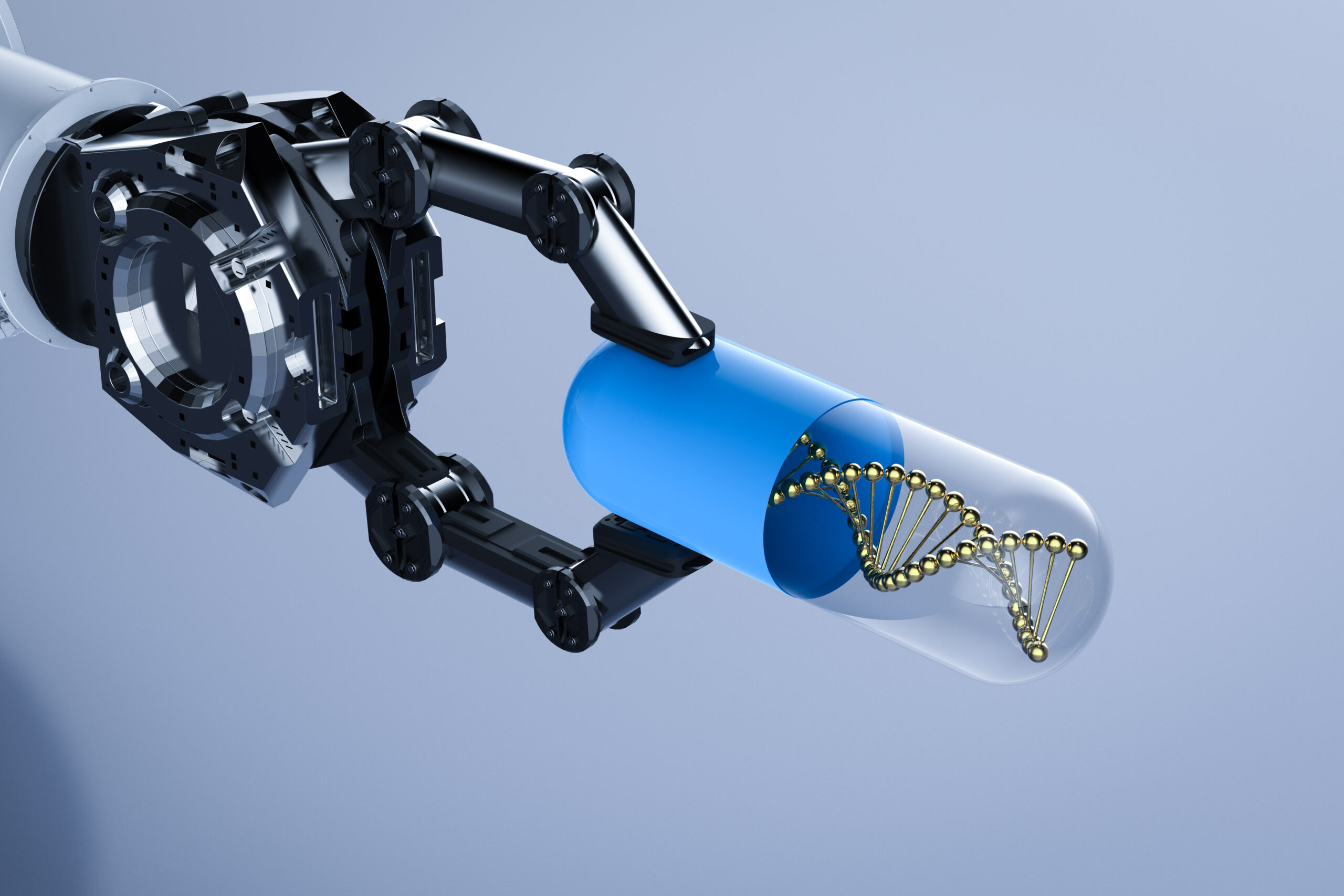
Using advanced technologies like AI-driven molecular modeling, high-throughput screening, and genomic analysis, scientists sift through thousands of compounds to find one that might interact with the target in a beneficial way. This process can take 3–6 years, and only a handful of molecules make it past this stage.
Preclinical Testing: The First Hurdle
Once a promising molecule is identified, it enters preclinical testing. This phase involves laboratory and animal studies to evaluate the drug’s safety, toxicity, and biological activity. Researchers ask critical questions:
- Is it safe?
- Does it reach the intended target?
- What are the side effects?
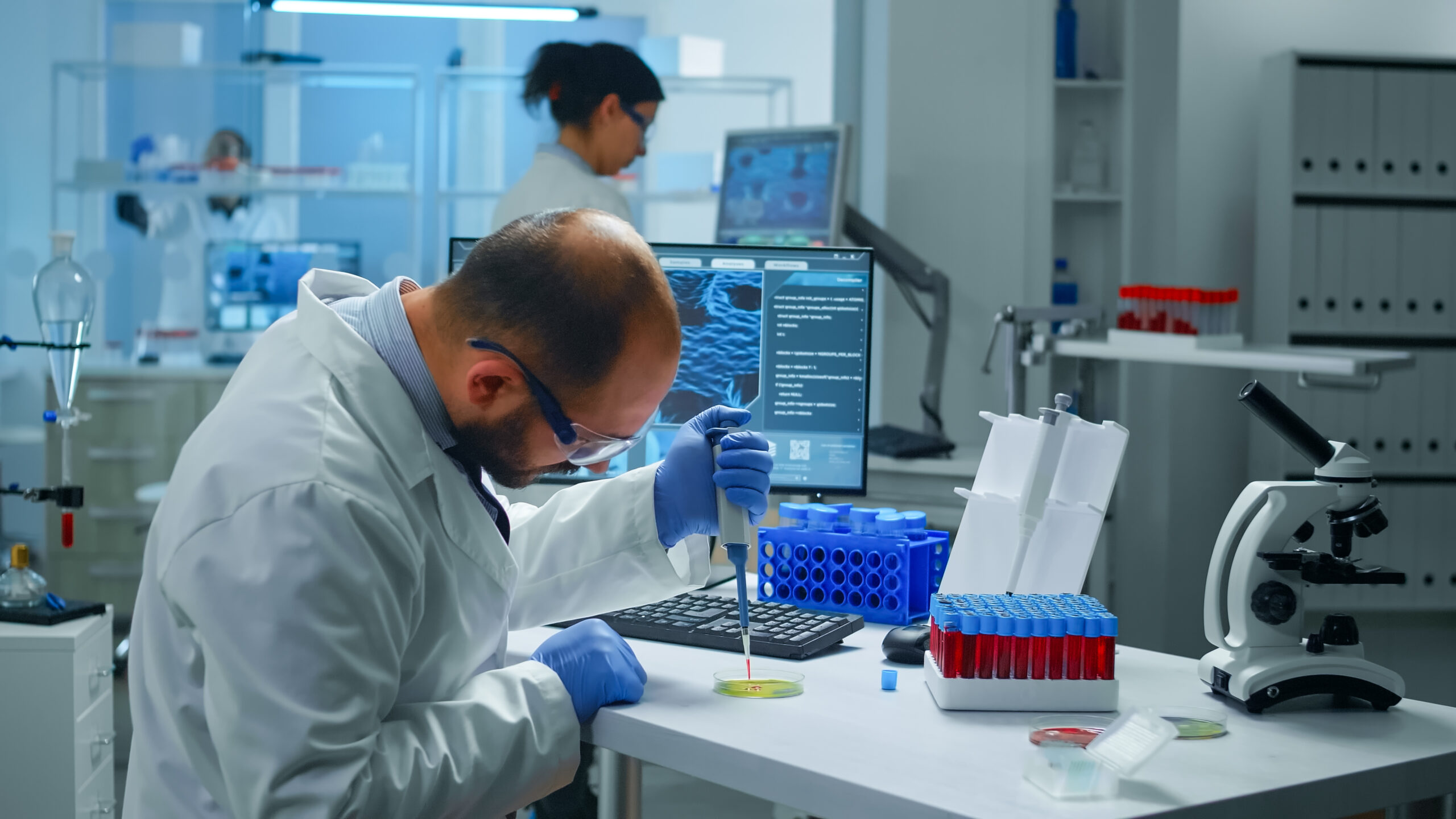
Only about 1 in 5,000 compounds make it past preclinical trials. The rest are abandoned due to toxicity, poor absorption, or lack of efficacy.
Clinical Trials: The Human Test
If a molecule passes preclinical testing, it earns the right to be tested in humans. This is where clinical trials begin, divided into four phases:
Phase I: Safety First
Conducted on a small group of healthy volunteers, Phase I trials assess safety, dosage, and side effects. It’s the first time the drug interacts with the human body.
Phase II: Does It Work?
Here, the drug is tested on patients with the condition it’s meant to treat. Researchers evaluate its effectiveness and continue monitoring safety.

Phase III: Large-Scale Validation
Thousands of patients across multiple locations participate in Phase III trials. This phase provides comprehensive data on efficacy, side effects, and comparisons with existing treatments.
Phase IV: Post-Market Surveillance
Even after approval, the drug is monitored for long-term effects, rare side effects, and performance in broader populations.
Clinical trials can take 6–7 years and cost hundreds of millions of dollars. Yet, they are essential to ensure that only safe and effective drugs reach the public.
Regulatory Approval: The Gatekeepers
Before a drug can be sold, it must be approved by regulatory bodies like the FDA (U.S.), EMA (Europe), or CDSCO (India). These agencies scrutinize every detail—from trial data to manufacturing processes.

The submission, known as a New Drug Application (NDA) or Marketing Authorisation Application (MAA), includes:
- Clinical trial results
- Manufacturing details
- Labeling and packaging information
- Risk-benefit analysis
Approval can take 1–2 years, and sometimes longer if additional data is required.
Manufacturing: Scaling the Science
Once approved, the drug enters mass production. This stage involves:

- Formulation: converting the active ingredient into tablets, capsules, or injections
- Quality control: ensuring consistency, purity, and safety
- Packaging: designing user-friendly and compliant packaging
Manufacturing must meet Good Manufacturing Practices (GMP) standards, and every batch is rigorously tested before release.
Marketing and Distribution: Reaching the Patient

Now comes the final leg of the journey—getting the drug to the people who need it. Pharmaceutical companies develop marketing strategies that include:
- Physician outreach: educating doctors about the drug’s benefits
- Digital campaigns: targeting patients through online platforms
- Pharmacy partnerships: ensuring availability across regions
Distribution networks ensure the drug reaches hospitals, clinics, and pharmacies worldwide. In some cases, cold chain logistics are required to maintain drug stability.
Challenges Along the Way
The journey from molecule to market is fraught with challenges:
- Scientific uncertainty: Many promising molecules fail during trials.
- Regulatory complexity: Navigating global regulations is time-consuming.
- Financial risk: Drug development costs can exceed $2 billion.
- Ethical concerns: Ensuring patient safety and informed consent is paramount.
Despite these hurdles, the pharmaceutical industry continues to innovate, driven by the mission to improve lives.
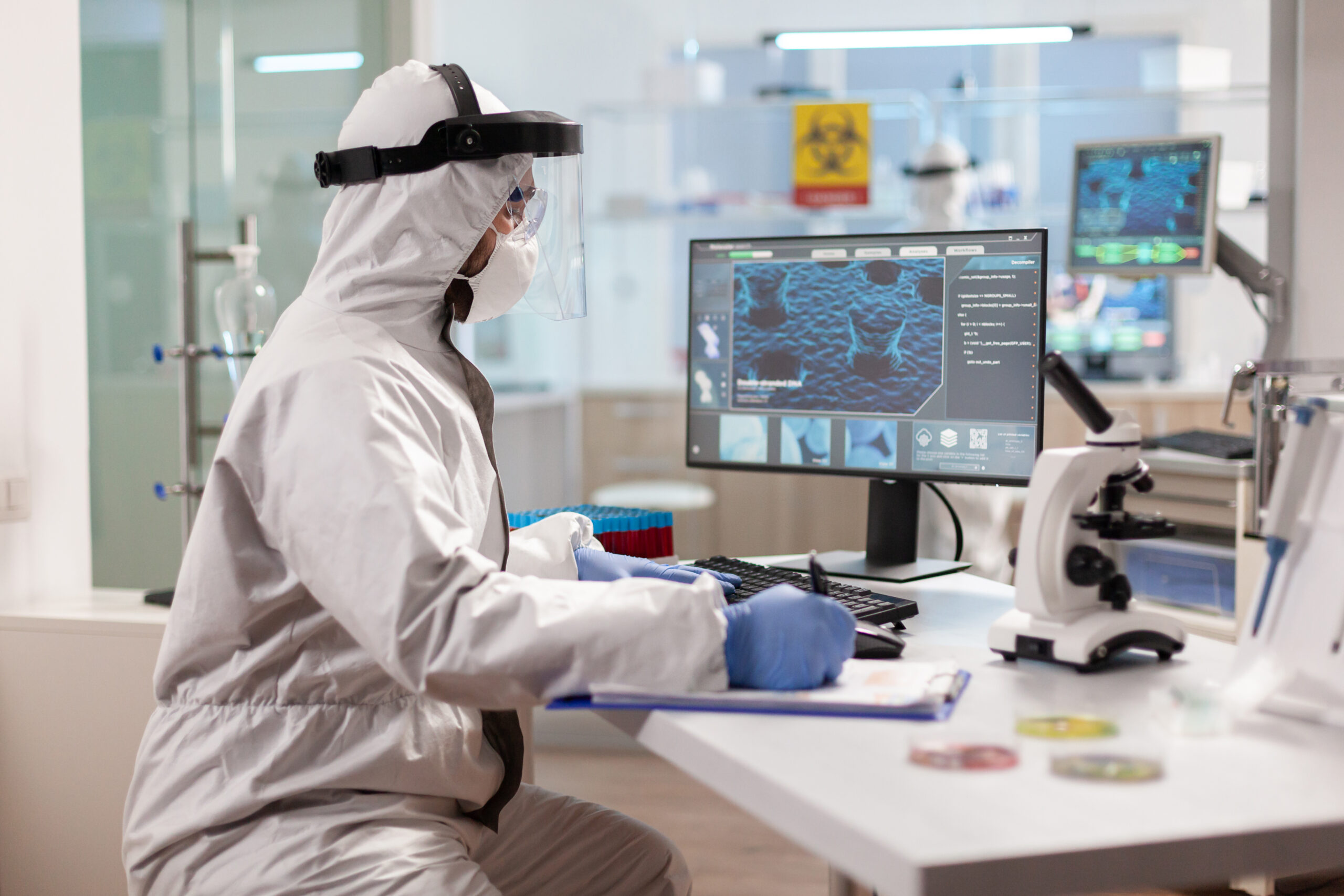
The Future: Faster, Smarter, Personalized
With the rise of precision medicine, AI, and biotechnology, the drug development process is evolving. Future drugs may be:
- Tailored to individual genetics
- Developed using AI simulations
- Delivered via smart devices
The journey may become faster, but the commitment to safety and efficacy remains unchanged.
More Than Just a Pill
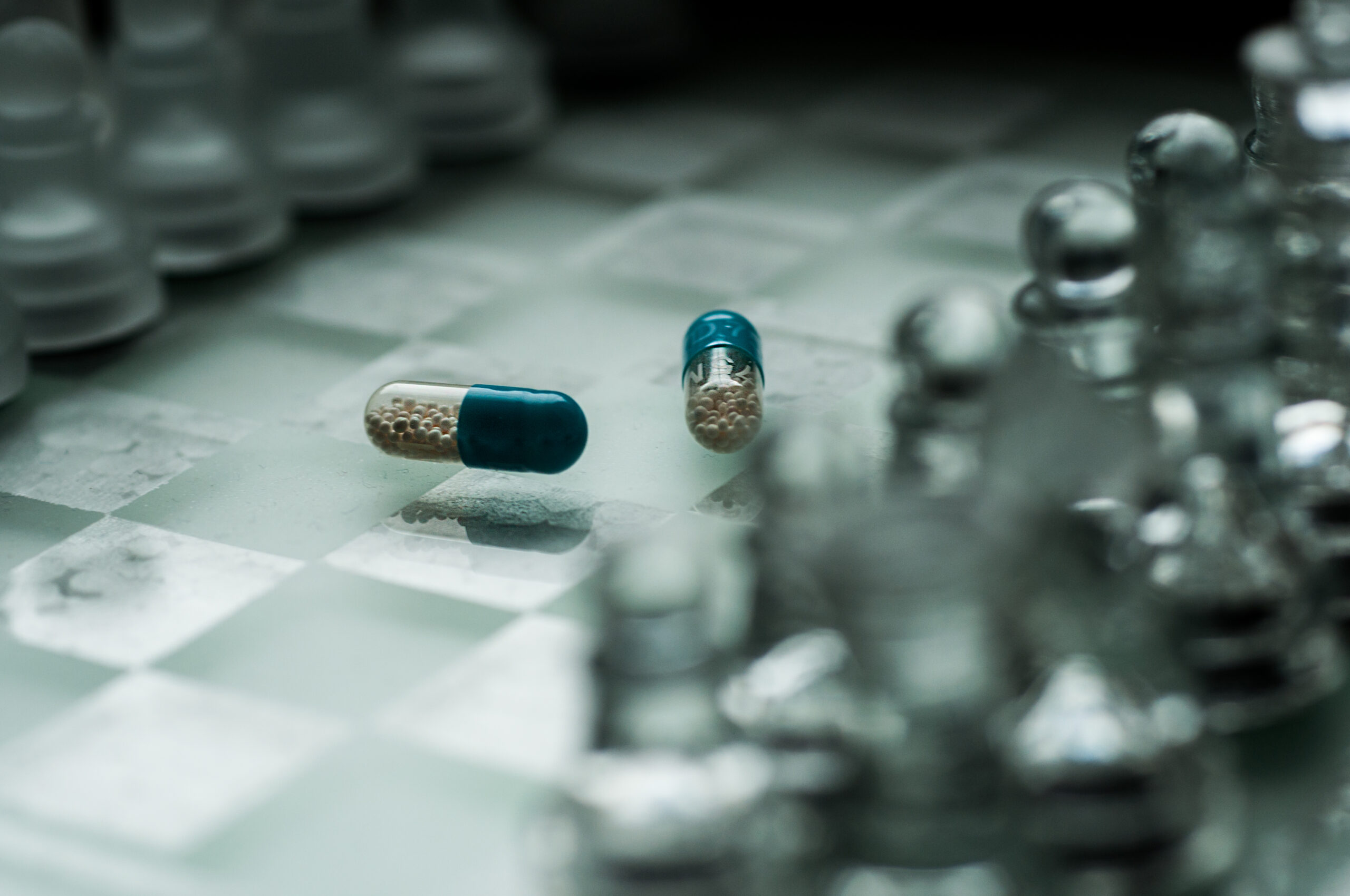
The next time you take a medication, remember—it’s not just a pill. It’s the result of decades of research, billions in investment, and the tireless work of scientists, doctors, and regulators.
From molecule to market, every drug tells a story of hope, innovation, and human resilience.