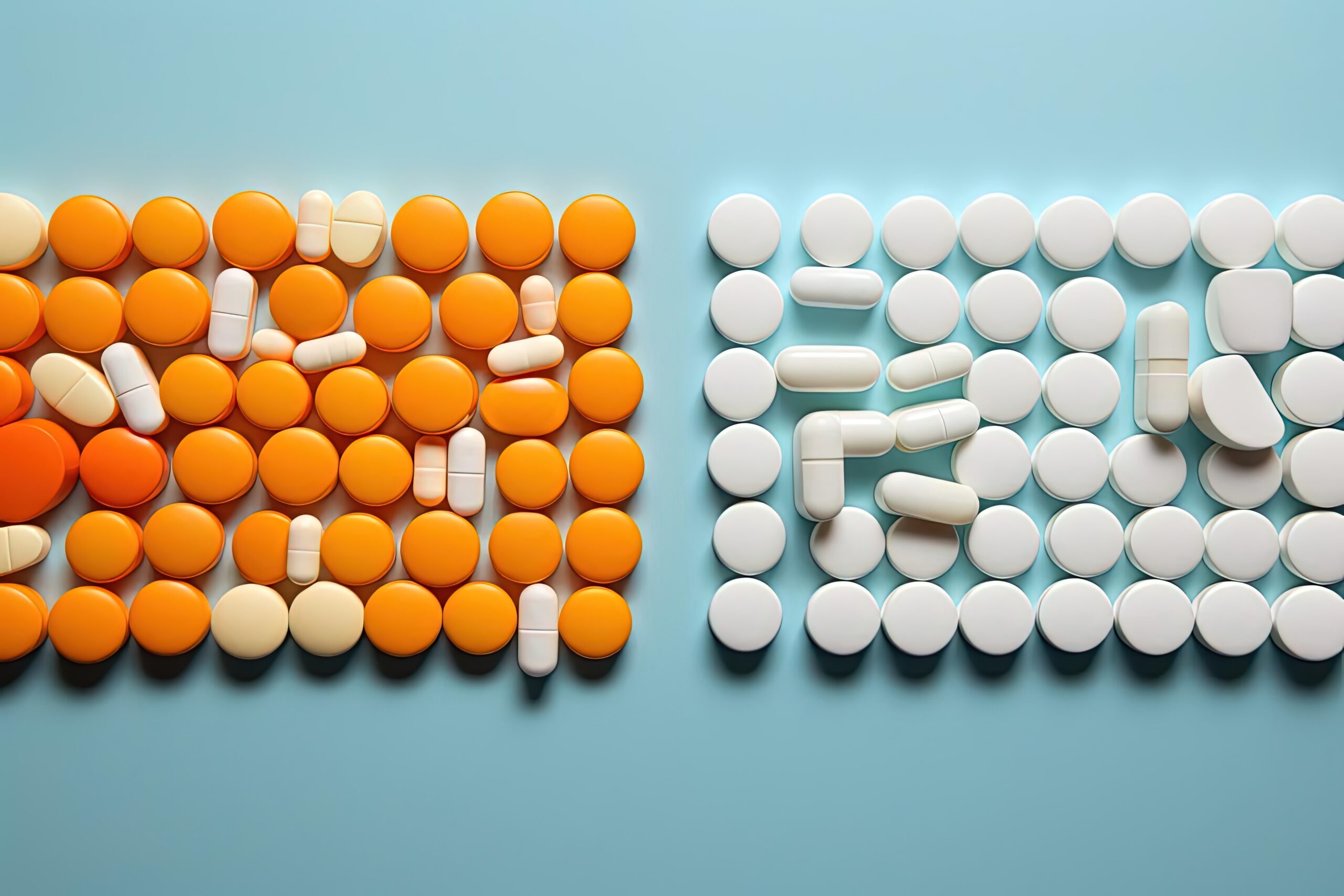
In the competitive world of pharmaceuticals, the battle between generic drugs and branded drugs is not just about efficacy and pricing—it’s also about marketing strategies. While both serve the same therapeutic purpose, their paths to market dominance are vastly different.
Understanding these strategies is crucial for pharma marketers, healthcare professionals, and even consumers navigating the complex drug landscape.
Branded Drugs: Building Trust Through Innovation and Identity
Branded drugs lead the way by being the first to launch new pharmaceutical compounds. Their marketing strategies centre on innovation, exclusivity, and fostering brand loyalty.
1. Heavy Investment in R&D and Promotion

To launch innovative treatments, drug manufacturers allocate massive budgets to research and development. Once approved, they invest heavily in direct-to-physician (DTP) and direct-to-consumer (DTC) advertising. This includes:
Medical conferences and CME sponsorships
Sales reps visiting doctors
TV, print, and digital ads targeting patients
2. Emotional Branding
Branded drugs often use emotional storytelling to connect with consumers. Think of ads that show patients regaining control of their lives thanks to a specific medication. This builds brand recall and trust, even when cheaper alternatives exist.
3. Patent Protection and Market Exclusivity

During the patent period (usually 20 years), branded drugs enjoy monopoly pricing. Marketing focuses on educating rather than competing, as no generics are allowed yet.
4. Influencer and KOL Engagement
Pharma brands team up with trusted healthcare professionals to validate and promote their medications. These endorsements carry weight in medical communities and influence prescribing behavior.
Generic Drugs: Competing on Value and Accessibility
Generic drugs enter the market after the patent on a branded drug expires. They contain the same active ingredients but are sold at a fraction of the cost. Their marketing strategy is lean, value-driven, and focused on volume.

1. Price-Based Positioning
The biggest selling point of generics is affordability. Marketing emphasizes:
- Cost savings for patients and insurers
- Comparable efficacy to branded drugs
- Accessibility in low-income regions
2. B2B Marketing Focus
Unlike branded drugs, generics rarely market directly to consumers. Their primary targets are:
- Hospitals
- Pharmacies
- Insurance companies
- Government procurement agencies

3. Regulatory Confidence
Generic manufacturers highlight their FDA or regulatory approvals, reassuring buyers that their products meet the same safety and efficacy standards as branded drugs.
4. Bulk Sales and Tendering
Marketing strategies often involve bulk deals, tender submissions, and formulary placements. Success depends on negotiation skills and supply chain reliability, not flashy advertising.
Digital Marketing: A Common Ground with Different Goals
Both branded and generic drug companies are embracing digital transformation, but their goals differ.
Branded Drugs: Awareness and Engagement
- SEO-optimised websites with patient education
- Social media campaigns targeting specific conditions
- Email marketing for patient support programs
- Online doctor portals with drug information and samples
- Generic Drugs: Visibility and B2B Lead Generation
- LinkedIn campaigns targeting procurement managers
- Webinars and whitepapers on cost-effectiveness
- Online catalogs for easy ordering
- SEO for institutional buyers searching for alternatives

Challenges in Marketing Each Type
- Branded Drugs
- High marketing costs
- Regulatory restrictions on advertising
- Pressure to justify premium pricing
- Generic Drugs
- Low margins
- Brand recognition challenges
- Intense competition from other generics
The Future: Hybrid Strategies and Patient-Centric Models
As healthcare becomes more patient-centric, both branded and generic drug companies are adapting. Branded drugs are investing in digital therapeutics, companion apps, and personalised medicine. Generic companies are exploring branded generics—low-cost drugs with some brand identity to stand out in crowded markets. Moreover, AI-driven marketing, real-world evidence, and value-based pricing models are reshaping how drugs are promoted and perceived.
Strategy Over Substance? Not Quite.

While both generic and branded drugs serve the same medical purpose, their marketing strategies reflect their business models, target audiences, and market dynamics. Branded drugs rely on innovation and emotional connection, while generics focus on value and accessibility.
Ultimately, successful pharma marketing isn’t just about selling a pill—it’s about building trust, educating stakeholders, and delivering value in a rapidly evolving healthcare ecosystem.