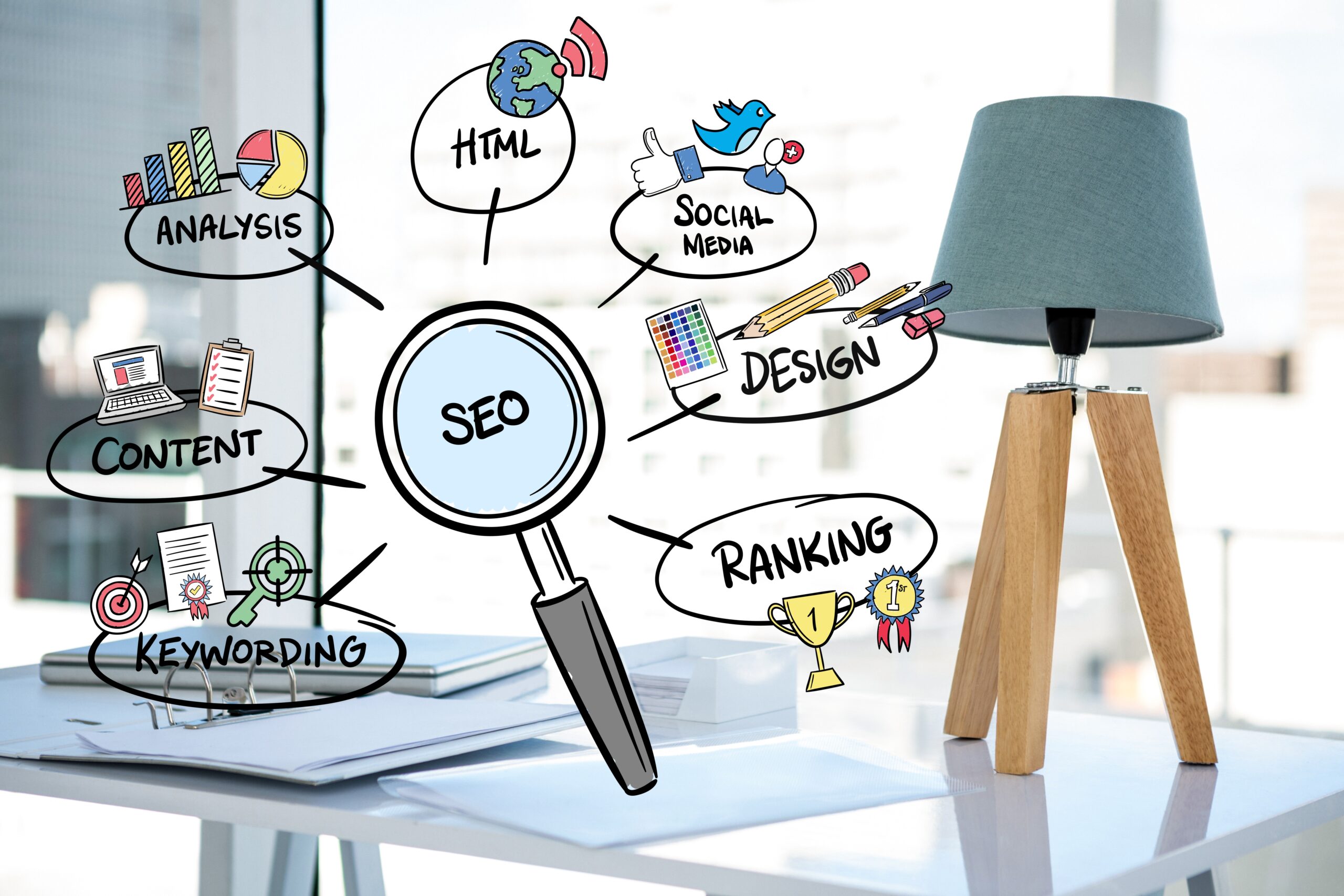
In today’s digital era, a website functions as a storefront, business card, and top-performing salesperson—all in one powerful platform. But what good is a beautiful website if no one can find it?
That’s where SEO—Search Engine Optimisation—comes in.
What Is SEO?
SEO is the art and science of optimising a website so that it ranks higher on search engines like Google, Bing, and Yahoo. When someone types a query into a search bar—say, “best coffee shop near me” or “affordable web design services”—SEO determines whether a business shows up on the first page or gets buried under a mountain of competitors.
At its core, SEO is about visibility. A higher search ranking increases the chances of users visiting the site, engaging with content, and ultimately becoming customers
Why SEO Matters for Your Business ?
Let’s break it down with a simple analogy: Imagine opening a store in a bustling city, but placing it in a dark alley with no signs. That’s your website without Search Engine Optimisation.
Here’s why SEO plays a pivotal role in the success of businesses across industries:
1. Organic Traffic = Free Traffic
Unlike paid ads, SEO brings in organic traffic—visitors who find you naturally through search engines. Once the site is optimised, it can attract a steady stream of potential customers without paying for every click.
2. Builds Trust and Credibility
Websites that appear on the first page of Google are often seen as more trustworthy and authoritative. Search Engine Optimisation enhances a website’s structure, content relevance, and overall user experience—key factors in establishing trust and credibility with the audience.
3. Targets High-Intent Customers
People who search for specific products or services are already in the buying mindset. Search Engine Optimisation helps to reach these high-intent users at the exact moment they’re looking for what you offer.
4. Improves User Experience
Good SEO goes beyond keywords—it’s about delivering a fast, seamless, and mobile-optimized user experience. Google rewards websites that are easy to navigate and provide real value to users.

5. Long-Term ROI
While Search Engine Optimisation takes time to show results, the long-term return on investment is often higher than paid advertising. Once rank well, you can enjoy consistent traffic without ongoing ad spend.
The Three Pillars of SEO
To truly understand Search Engine Optimisation, you need to know its three core components:
1. On-Page SEO
This process focuses on refining both the content and architecture of the website for better performance and visibility. Key elements include:
Keyword research involves identifying the specific phrases and queries target audience uses when searching online:
Meta tags: Crafting compelling titles and descriptions.
Optimising content: Using the right keywords naturally and ensuring your content genuinely helps your readers.
Internal linking: Involves strategically connecting relevant pages within a website to enhance navigation and assist search engines in understanding the site’s structure.
2. Off-Page SEO
This focuses on building the site’s reputation and authority through:
Backlinks: When other trustworthy websites mention yours with a link, it helps to look more reliable to both users and search engines.

Social signals: Engagement on platforms like Facebook, LinkedIn, and Instagram.
Brand mentions: Being talked about online, even without a direct link.
3. Technical SEO
This ensures that search engines can crawl and index your site effectively. It includes:
Site speed: Faster websites rank better.

Mobile-friendliness: A must in today’s mobile-first world.
Secure connections (HTTPS): Builds trust and improves rankings.
XML sitemaps and robots.txt: Help search engines understand your site structure.
How to Get Started with SEO?
You don’t need advanced technical skills to begin enhancing your website’s Search Engine Optimisation. Here are a few beginner-friendly steps:
- You can use tools like Google Keyword Planner or Ubersuggest to figure out which keywords your potential customers are looking for.
- Optimise your website content with those keywords—naturally.
- Start a blog to regularly publish helpful, keyword-rich content.
- Claim your Google Business Profile for local SEO visibility.
- Build backlinks by collaborating with bloggers, directories, or local news sites.
SEO Is Not a Trend—It’s a Necessity
In a world where 93% of online experiences begin with a search engine, SEO is no longer optional—it’s essential. Whether you’re a startup, a local business, or an e-commerce giant, investing in SEO is one of the smartest moves you can make.
It’s not just about ranking higher—it’s about being found, being trusted, and being chosen.